



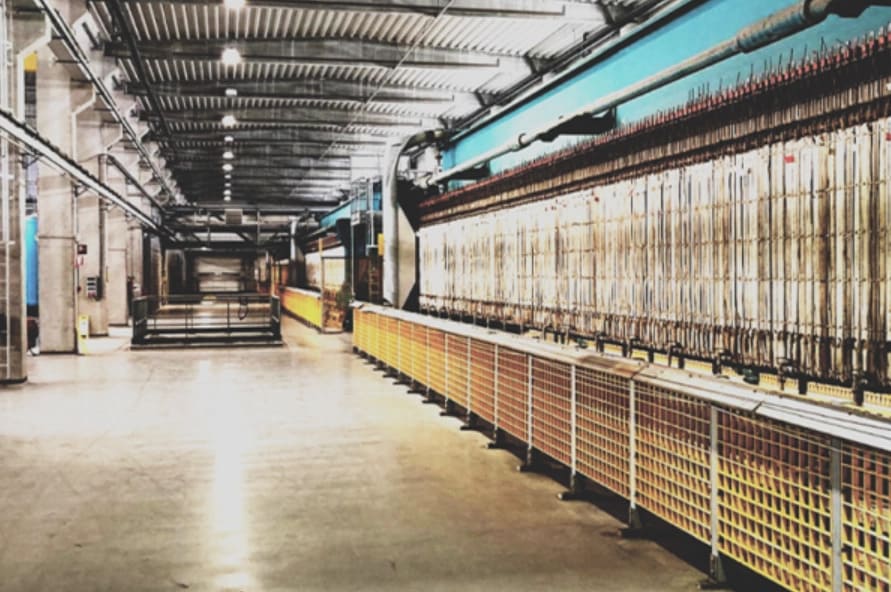
Filterpressen are super important in the filter press in chemical industry world. They push liquid out of a mix while keeping the solids trapped as a thick, dry cake. You find them doing jobs like cleaning wastewater, saving expensive solvents, pulling out pure products, grabbing catalysts to use again, and drying thick sludge. Factories pick from plate-and-frame, membrane, screw, or full-automatic types depending on what the material is like and how dry they need it. These machines make products cleaner, cut down waste, and save money every day. When you compare them to belt filters, filter presses win on tough, high-solid, or super-corrosive stuff.
Understanding the Role of Filter Presses in Chemical Processing
Defining Filter Presses in Industrial Applications
A filter press is a strong machine that splits solids from liquids. It works by pumping the mixture into tight spaces and squeezing hard so only the liquid gets out through special cloth. The solids stay behind and turn into a hard cake.
In the filter press in chemical industry, this simple idea does tons of jobs. It keeps products pure, saves valuable liquids, and makes sure waste water is clean enough to let go or reuse. Without good presses, many chemical plants would struggle to hit quality targets or follow strict rules.
Structural Components and Their Functions
Every filter press has a few main parts that work together:
- Filter Plates: These are tough boards made of plastic or metal with lots of little holes. They hold the slurry and let clean liquid run out.
- Filter Cloths: Soft fabric that covers each plate. It catches the solids but lets liquid slip through. The cloth type changes depending on the chemicals.
- Pressing System: Usually big hydraulic rams. They squeeze the plates together super tight so pressure builds up inside.
- Filtrate Discharge System: Pipes and channels that carry the clear liquid away fast.
Core Applications of Filter Presses in Chemical Manufacturing
Wastewater Treatment in Chemical Plants
Chemical factories make dirty water full of tiny bits and junk. A filter press grabs those bits and turns the water clean enough to release or use again. This keeps the plant legal and saves water.
Solvent Recovery and Reuse
Many reactions use costly solvents. After the job is done, the solvent is mixed with solids. The press separates them so the factory can pour the clean solvent back into the tank and use it over and over. That saves a lot of cash.
Product Extraction and Purification
When you make dyes, medicines, or fine chemicals, the good stuff is often stuck in liquid. The press pulls the liquid away and leaves pure dry powder ready for packing.
Catalyst Separation for Reuse
Catalysts like nickel or palladium cost a fortune, but you can use them many times. The press catches the tiny catalyst bits so workers can scoop them up and put them back into the next batch.
Dewatering of Solid Products
Some chemicals come out wet. The press squeezes them almost dry so the next steps – like putting them in bags or drying ovens – are quicker and cheaper.
Sludge and Residue Volume Reduction
Leftover goo from reactions takes up space and costs money to throw away. One run through the press turns a truckload of wet sludge into a few dry cakes. Less weight, less cost, cleaner plant.
Step-by-Step Operation of a Filter Press
Slurry Feeding Process
Workers pump the thick mix into every gap between the plates. It fills up fast and even.
Filtration Under Pressure
Hydraulic rams push the plates together. Pressure climbs high. Liquid shoots out through the cloth.
Cake Formation and Growth
Solids stick to the cloth and pile up. The cake gets thicker and thicker while less liquid comes out.
Optional Cake Washing Stage
Sometimes clean water gets pumped in to rinse leftover chemicals out of the cake. This makes the product purer.
Cake Discharge Procedure
Plates open up. Dry cakes fall onto a belt or into a bin below. Ready for the next cycle.
Common Types of Filter Presses Used in Chemical Industry
Membrane Filter Presses for High Dryness Requirements
These have rubber sheets that blow up after normal filtering. The extra squeeze pulls out the last drops of water. Perfect when you need really dry cake fast.
Plate-and-Frame Filter Presses for Versatile Applications
Old but trusted design. Simple, cheap, works on almost anything. Easy to fix and run.
Screw Presses for Viscous Materials Handling
A big screw slowly crushes the mix inside a screen. Great for sticky, thick stuff that won’t flow easy.
Fully Automatic Filter Presses for Continuous Operations
Everything runs by computer – closing, filtering, washing, opening, all on its own. Fewer workers, steady output.
Corrosion-resistant Models for Harsh Environments
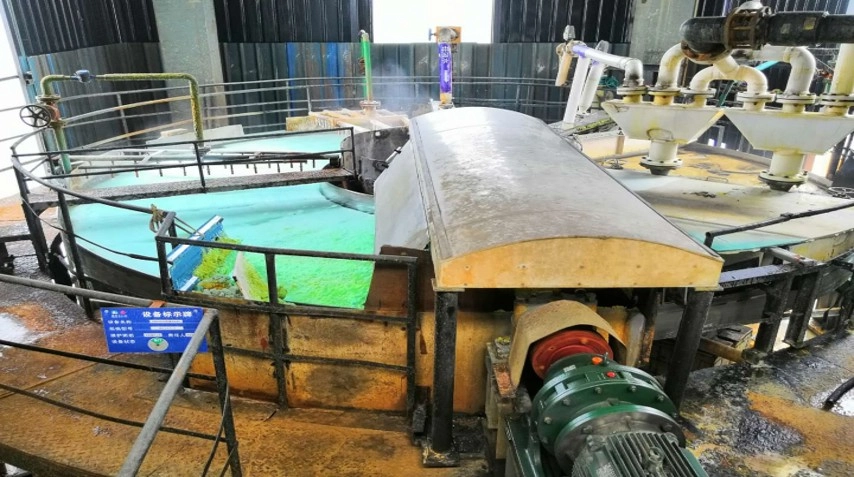
Rotary Table Vacuum Filter for Phosphoric Acid
NHDvon Drehtisch-Vakuumfilter is built with rubber lining and special steel so acid can’t eat it. Runs all day under vacuum.
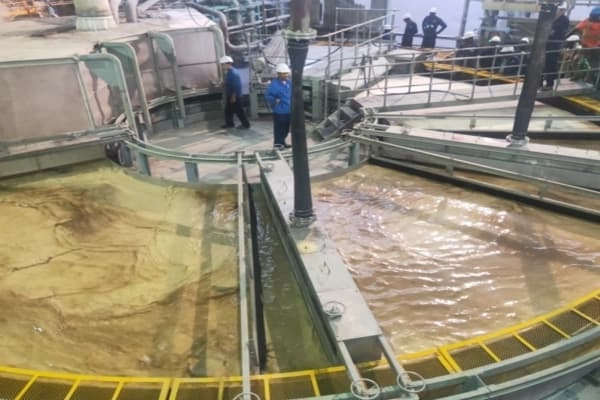
Pan Vacuum Filter for Titanium Dioxide
Huge flat pan of Pan Vacuum Filter for Titanium Dioxide spins slowly. Handles sharp, rough powders without wearing out fast.
Benefits of Using Filter Presses in Industrial Chemical Processes
Efficient Solid-Liquid Separation Performance
You get super clean liquid and nice dry cakes every time. Downstream steps become easier and cheaper.
Flexible Adaptability to Different Process Requirements
Change pressure, time, or cloth and the same machine handles a new product tomorrow.
Broad Applicability Across Chemical Sub-sectors
Dye plants, medicine makers, plastic factories – almost everyone in chemicals uses them somewhere.
Operational Cost Optimization
Less solvent to buy, less waste to pay for, less energy than big dryers. Money adds up quick.
Comparison Between Filter Presses and Belt Filters
Differences in Operating Principle
Belt filters let slurry sit on moving belts. Gravity and rollers squeeze water out gently, while filter presses lock everything inside tight plates and hit it with huge pressure.
Differences in Application Suitability
Belt filters like thin, watery stuff and run all day, while filter presses love thick, nasty, corrosive mixes where you need the driest possible cake and everything stays sealed safe.
Häufig gestellte Fragen
Q1: How do I choose between a membrane filter press and a standard plate-and-frame model?
Pick membrane when you need the driest cake or faster cycles because of that extra squeeze. Go plate-and-frame when the cake is dry enough already and you want to save money.
Q2: What makes NHD’s Rotary Table Vacuum Filters suitable for phosphoric acid applications?
They use special rubber and steel that acid can’t destroy. Vacuum keeps pulling all day, so you get steady output without stopping.
Q3: Can filter presses be integrated into fully automated chemical processing lines?
Yes! Modern automatic ones come with computers, auto-washing cloths, and sensors. They fit right into big smart factories with no trouble.