
 فارسی
فارسی  English
  Français
  Español
  Русский
  العربية
  Português
  Bahasa Indonesia
  Deutsch
  Türkçe
  Tiếng Việt
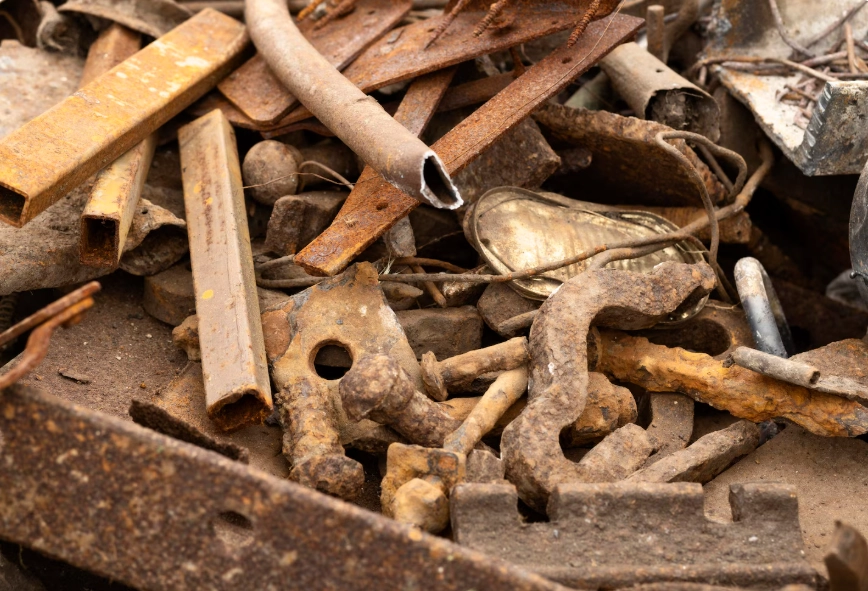
The European Union is suddenly tightening aluminum scrap exports because, after shipping a record 1.26 million tonnes in 2024 (mostly to Asia) due to attractive prices caused by U.S. tariffs, policymakers now see exporting high-quality scrap hurts their own green goals. Recycling aluminum saves 95% of the energy and avoids massive CO₂ emissions, so Brussels wants to keep the material inside Europe to support local recyclers and meet tough 2030–2050 climate targets. New rules coming in spring 2026 will likely impose strict quotas or bans, creating a serious shortage of Asian supply. Chinese smelters are therefore urged to lock in long-term EU contracts immediately, while only a few experienced traders like NHD still have the direct relationships and stockpiles to guarantee steady, specification-tight material both now and after the restrictions hit.
Why Is the EU Abruptly Tightening Aluminum Scrap Exports?
Record-Breaking 1.26 Million Tonnes Exported in 2024: What Pushed the Huge Jump?
In 2024 the European Union shipped out a never-before-seen 1.26 million tonnes of aluminum scrap. That number is 50% higher than 2019. About 65% of those tonnes ended up in Asia, mostly China, India, and Türkiye. The rest went to non-EU OECD countries. The main reason was not a sudden change in world trade patterns. And that change came from new U.S. tariff rules that started early in 2024.
How Did U.S. Tariff Rules Accidentally Speed Up EU Scrap Leaving Europe?
The U.S. slapped a 50% tariff on primary aluminum but kept only 15% duty on scrap. This created a big price gap between virgin ingot and recycled feedstock in North America. American melters reacted fast. They sucked up every bit of scrap they could get from North America and Latin America. Soon those usual sources ran dry. European scrap sellers saw much better money in Asia, often $150–220/t higher than U.S. prices. So they sent boatload after boatload eastward. For 2023 and 2024, the EU became the world’s swing supplier.
Can the Green Transition Afford to Lose a Material That Saves 95% Energy?
Recycling aluminum uses just 5% of the energy needed to make it from bauxite. Every tonne of recycled metal avoids roughly 12–14 tonnes of CO₂ emissions. The EU wants climate neutrality by 2050 and a 55% cut in industrial emissions by 2030. Leaders now see shipping away top-quality scrap as a direct conflict with their own green goals. Brussels says keeping scrap inside the bloc helps local recyclers, cuts need for high-carbon primary imports, and fits perfectly with the Circular Economy Action Plan.
Can You Still Lock In Steady, Top-Quality Aluminum Scrap from the EU?
Three Very Likely Outcomes When the Spring 2026 Rules Hit
- Tight quota system that gives priority to EU-based melters.
- Export licenses only for “green-certified” overseas plants.
- Total ban on certain premium grades to non-OECD countries.
No scenario leaves much for Asian buyers. Expect 80–100% drop from today’s volumes.
How Big Will the Hole Be for Asian Buyers?
Asian secondary aluminum plants already run above 85% capacity. Their local scrap only covers under 60% of need. Simple math shows a shortfall of 1.8–2.2 million tonnes per year starting 2026. That equals 12–15% of today’s regional recycled output.
How Many Months Are Left in the Open Window?
The final quarters without heavy limits are Q1 and Q2 2026. European recyclers must register long-term export contracts with the Commission before late 2025. In real life, anyone who wants serious volumes should finish deals before the end of Q1 2025. After that point, free material dries up fast.
How Should Chinese Companies Handle the Coming Global Scrap Shortage?
Is Just Collecting More Local Scrap Enough to Fill the Gap?
Even in the most ambitious “urban mining” plans, China’s old scrap arising will probably stay below 9–10 million tonnes per year by 2030. Does collecting more local scrap alone close the hole left by losing 1–1.5 million tonnes of imported clean material? The answer is absolutely NO.
What About Switching to Middle East, Russia, or Latin America?
Middle East hubs (UAE, Bahrain) and Russian integrated producers are growing supply. But together they will struggle to export even 800,000 tonnes per year through 2028. Latin American used beverage can and profile scrap suffer long shipping times, port bottlenecks, and uneven alloy specs. These places can help spread risk. Yet none match EU consistency in the next three to five years.
What Is the Real Way to Guarantee Long-Term Steady Supply?
The only practical move right now is to sign binding 2026–2028 offtake deals with European generators while it is still possible. Pair those contracts with forward stockpiles in Rotterdam, Antwerp, or Turkish free zones. Companies that already built controlled inventories and direct recycler ties now enjoy a clear head start.
What Makes a Truly Reliable Premium Aluminum Scrap Supplier?
Why Alloy Stability Matters More Than Just “Clean” Material?
Modern continuous casters accept no more than ±0.15–0.20% swing in silicon, iron, or copper. Bigger swings force expensive primary metal dilution or costly double melting. That kills the whole energy-saving reason to use scrap in the first place.
How Steady Delivery and High-Density Briquettes Cut Your Melting Cost?
Monthly shipments of 60–65 lb/ft³ briquettes keep furnaces hot and cut skull losses by 8–12%. Spotty timing or fluffy loose scrap easily adds 40–70 kWh per tonne of billet produced.
Why Environmental Paperwork and Full Traceability Are Now Must-Have?
EU exporters already face compulsory radiation checks, REACH chemical rules, and very soon Basel “green list” proof. Buyers without clean chain-of-custody files risk rejected containers at customs and future quota blacklisting.
If you need a partner who can still deliver real EU-origin tons both today and after the 2026 rules, look at NHD . It has relevant experience in handling aluminum and producing corresponding products. They hold yearly contracts with big European recyclers, keep very tight spec control, and already store large pre-regulation inventory in fully controlled European warehouses. If you want to further know more information, such as محصولات or پروژه ها of NHD, pleace تماس it via e-mail, telephone,etc.
Which Players Are Actually Helping Asian Smelters Secure Future Tons and Efficiency Edge?
Only a handful of fully integrated traders and technology providers have built true closed-loop pipelines. These pipelines run from European collection points straight to Chinese furnace doors. These groups do not just move metal. They also supply latest sorting machines, shredders, and decoating systems that permanently drop scrap usage per tonne of finished billet.
How Can You Protect Your Plant Before Everything Changes?
- Start 2026–2028 long-term offtake talks right now (absolute latest start: Q4 2025).
- Hire independent auditors to check your current sorting line today; most reasonable upgrades pay back in 10–14 months.
- Build your own alloy recipe database so you can melt single-charge lots and cut internal revert scrap creation.
سوالات متداولس
Q1: How much will 6063 scrap prices climb after the 2026 rules?
A: CIF China premium 6063 briquette prices are forecast to rise $180–280/t (15–22%). The final jump depends on whether Brussels chooses simple quotas or OECD-only exports.
Q2: Can we still sign full 2025 contracts today?
A: Yes, but the door is closing quickly. Many European recyclers still hold open 2025 tons. Finish technical due diligence and sample testing before December 2025. Sign final contracts and make stage payments no later than end of Q1 2025.
Q3: If we give up on EU material completely, what real options exist?
A: Growing Middle East platforms, Russian integrated flows, and Latin American UBC/profile tons could together replace maybe 60–70% of past EU volume by 2027–2028. But alloy stability, reliable scheduling, and short-term availability all fall noticeably short of current European standard. Locking in the last EU window while it still exists remains by far the cheapest and safest bridge strategy.