 English
  Français
  Español
  Русский
  العربية
  Português
  Bahasa Indonesia
  Deutsch
  Türkçe
  فارسی
فارسی  Tiếng Việt
Industrial health depends on copper as its dependable industrial indicator. The market responds to copper price fluctuations because it affects both construction operations and renewable energy development. The copper market experienced another price decline during late 2025 because of Federal Reserve uncertainty and Codelco’s successful output stabilization in Chile. The market reaction to this price drop seemed typical for a commodity market to most observers. The market fluctuations affect equipment purchases and project development and export activities of various stakeholders.
The global metal market extends beyond price fluctuations because it shows how investment patterns and industrial growth rates and market confidence about upcoming demand develop. The market value of copper decreases when it cools down because this change indicates projects need to evaluate their priorities while choosing equipment that delivers better performance and sustainability.

What Is Behind the Latest Copper Price Drop?
The U.S. Federal Reserve’s upcoming decision caused investors to become more cautious which led to copper price decreases during early November. The market prediction of reduced interest rate reductions led to dollar strength which negatively affected metal market values. The world’s biggest copper producer Codelco announced positive signs about its production output following several months of maintenance work. The market factors worked together to reduce concerns about worldwide copper supply deficits.
The market shows evidence of fundamental changes which affect the industry operations. The world continues to need copper because of three major long-term trends which include the transition to electric power and the construction of data centers and renewable energy systems. The market demand for copper keeps rising because of its fundamental consumption pattern even though temporary price changes might slow down new construction initiatives. Project owners choose to postpone their investments instead of abandoning them by making changes to their project schedules and equipment costs and supply chain management.
How Do Global Trends Influence Equipment Demand?
Your organization must handle two opposing forces which occur when copper prices change because you need to stay within budget constraints while continuing production operations. The dual nature of operations leads processing facilities to adopt modular equipment which requires minimal maintenance. The combination of small filtration systems with high-performance agitators enables your organization to make swift adjustments when market conditions change. The equipment minimizes operational interruptions which become essential for success during periods of market uncertainty.
The copper refining process requires three main operations which include thick slurry mixing and tailings dewatering and leach tank agitation. The production process requires power consumption while simultaneously impacting the recovery efficiency. The selection of appropriate agitators and filtration systems determines whether operations will generate profits or losses when market prices fluctuate.
Why Are Efficiency and Flexibility Now Priorities?
Lower copper prices do not necessarily indicate negative market trends. The current market conditions reveal operational inefficiencies which went undetected during times of high demand. The current profit squeeze requires organizations to optimize every kilowatt of power and every pump cycle and filter press operation. The worldwide mining and processing sector has started implementing advanced flexible systems which operate under changing production levels without requiring extensive maintenance.
The Jiangsu New Hongda Group Co., Ltd. (NHD) serves as the company which established itself through designing and manufacturing processing equipment for mining and chemical and metallurgical industries. The company demonstrates how technology and practicality can unite through its product range.
What Equipment Helps You Handle Market Volatility?
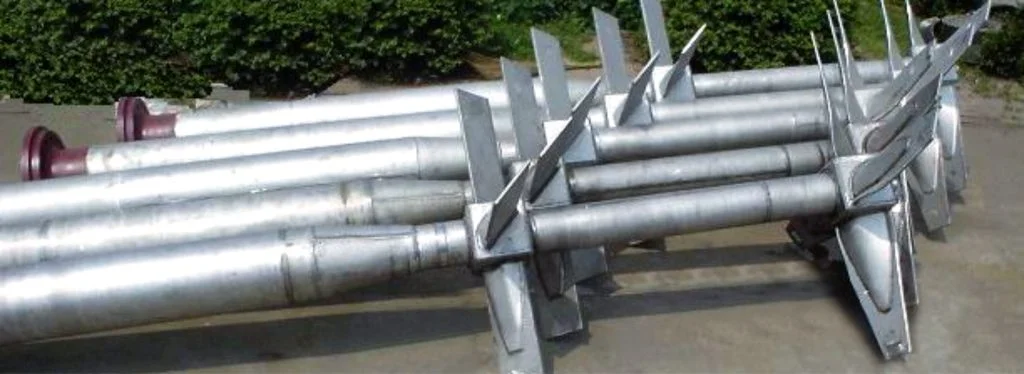
The Extra Long Agitator represents a proven solution for high-torque heavy-duty mixing operations in leaching and smelting applications. The device operates effectively for copper projects that experience changing slurry densities because its extended shaft and strengthened blades maintain stable mixing operations while reducing energy consumption.
The Vertical Automatic Pressure Filter operates as a system which delivers significant results in solid-liquid separation for tailings and concentrate dewatering applications. The system performs automated solid-liquid separation for tailings and concentrate dewatering operations. The system operates as a continuous high-pressure filtration process which eliminates the need for manual filter press cycles to achieve time savings and decreased water consumption that plant managers need during market price volatility.
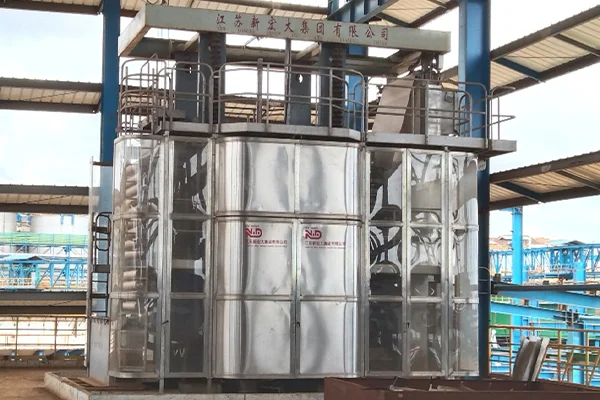
The Variable Cross-Section & Obliquity Agitator modifies tank mixing profiles to enhance homogenization when plants need stronger flow dynamics. The ability of this system to adapt to different mineral feed types and ore grade variations leads to stable recovery performance in plants.

These technologies matter because they give you flexibility. Operations can maintain their productivity levels when copper prices drop because they can adjust their output but they can increase production when prices rise again.
How Can You Prepare for the Next Market Cycle?
Mining operators who achieve success focus on building systems which operate effectively throughout market cycles instead of trying to predict market price fluctuations. The operators who achieve success develop systems which maintain performance throughout different market cycles. Equipment which resists abrasive slurries and operates at changing production rates while using less energy will continue to generate value throughout market price fluctuations.
The implementation of modular and automated systems enables you to respond quickly when financing opportunities emerge and investors change their market outlook. The approval process for projects becomes faster when they show evidence of reduced operational expenses and dependable manufacturing operations during times of capital spending restraint. The current business environment demands that organizations achieve efficiency through resilience.
The world’s shift toward electrification and sustainable infrastructure development will sustain copper demand even though the market might experience future price declines. The essential decision during market downturns involves whether to wait for the next price increase or invest in essential equipment upgrades.
FAQ
Q1: What caused copper prices to decrease during the recent period?
A: The market prices declined because investors became doubtful about U.S. monetary decisions and Codelco from Chile started producing more copper which reduced supply worries.
Q2: What equipment types work best for copper refining operations and dewatering processes?
A: The equipment selection for these operations includes agitators for slurry mixing and automatic pressure filters for solid-liquid separation and variable-geometry mixing systems for heterogeneous ore processing.
Q3: Where can you learn more about mining and processing equipment options?
A: Jiangsu New Hongda Group provides complete product details and project-specific solutions through their official website.